 June 24, 2026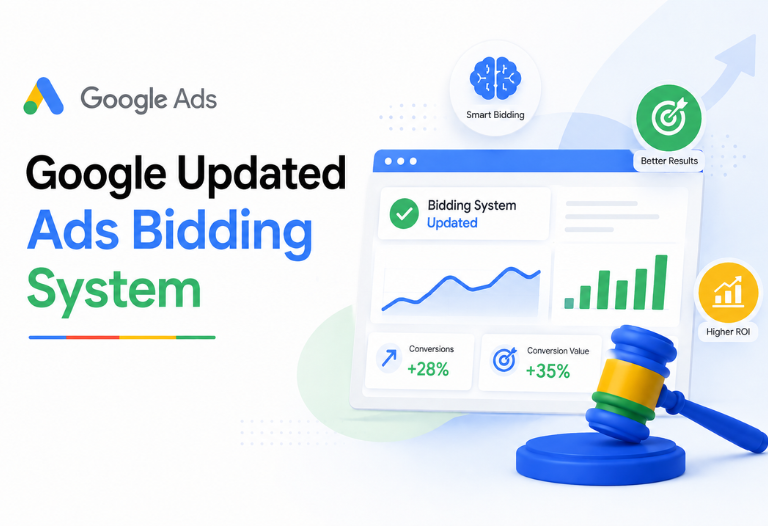
In the latest news, Google Ads just rolled out three bidding and budgeting updates this month, and at least one of them will affect your campaigns whether you opt in or not.
Google Ads Liaison Ginny Marvin shared the announcements on LinkedIn. Two of the updates open up features that were previously limited to select advertisers. The third one is a backend change tied to how Google handles optimization for campaigns running under budget limits, and it’s the one most advertisers need to put on their radar.
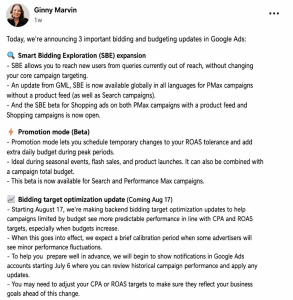
Smart Bidding Exploration Is Now Available Worldwide
Smart Bidding Exploration, which was first introduced ahead of Google Marketing Live 2025, is now available globally across all languages for Search campaigns and Performance Max campaigns that don’t use a product feed.
The feature is built around a straightforward idea. Smart Bidding Exploration helps campaigns find additional converting traffic beyond what they would typically target under existing bidding goals, without requiring advertisers to loosen ROAS targets significantly. Google looks for incremental conversion opportunities while still optimizing toward the campaign’s existing goals.
For advertisers who feel boxed in by low volume, this is worth testing. That said, it isn’t a magic growth lever. Results will vary depending on campaign maturity and how much headroom exists in the market.
Google has also opened a beta for Shopping advertisers, covering both standard Shopping campaigns and Performance Max campaigns that include a product feed.
Promotion Mode Is Entering Beta for Search and PMax
Google is introducing Promotion mode in beta for Search and Performance Max campaigns. The feature lets advertisers temporarily expand budget flexibility and adjust ROAS tolerance around specific events like product launches, seasonal promotions, or flash sales.
Promotion mode can also be used alongside campaign total budgets, according to Marvin.
Manual budget adjustments around peak periods have always been a bit of a juggling act. Promotion mode is Google’s attempt to take some of that off your plate. Whether it delivers on that promise will depend on how much control advertisers actually retain during the temporary window.
Google has not yet released details about beta eligibility or rollout availability. Advertisers should check their accounts before building campaign plans around the feature. Don’t assume it’s live in your account until you verify.
The August 17 Change Is the One to Watch
This one is different from the other two because starting August 17, Google is making backend bidding target optimization changes aimed at budget-limited campaigns, with the goal of helping those campaigns see more predictable performance in line with CPA and ROAS targets, especially when budgets increase. Google expects a brief calibration period during which some advertisers may notice minor performance fluctuations.
The key difference here is that you don’t need to adopt a new feature for this update to change your campaign’s behavior. If you run campaigns that regularly hit their daily budget ceiling, you will see this play out in your metrics.
Google will start showing notifications in Google Ads accounts from July 6 onward. Those notifications will include historical campaign performance data and recommendations tied to the upcoming changes.
Marvin noted that advertisers may need to revisit their CPA or ROAS targets to ensure they still reflect actual business goals before the rollout begins. If your targets were set during a different business phase or budget cycle, this is a good forcing function to update them.
For agencies managing multiple clients, this is worth flagging proactively. Clients with budget-constrained campaigns will likely have questions once they see fluctuations in early reporting after August 17.
What You Should Actually Do Right Now
Smart Bidding Exploration and Promotion mode are both opt-in, so your immediate attention belongs on the August 17 update.
When the July 6 notifications appear in your accounts, review the historical performance data attached to them and assess whether your existing CPA and ROAS targets still align with your current business goals. Any campaign regularly operating under a budget constraint deserves a closer look before August arrives.
The calibration period Google mentions won’t break accounts. But if clients or stakeholders see performance numbers shift without context, it becomes a harder conversation. Getting ahead of it now takes about fifteen minutes and saves considerably more later. Check the source notification once it’s live and use it as your planning anchor for the month.
Looking to Get More from Your Google Ads Budget?
Bidding changes like these can quietly shift how your campaigns perform, and most businesses only notice after the numbers have already moved. At Primotech, we keep a close eye on platform updates, so your campaigns stay tuned before the changes hit, not after.
Whether you’re running Search, Shopping, or Performance Max, our paid media team helps you set the right CPA and ROAS targets, test new features strategically, and make sure your budget is working as hard as it should.
Get in touch with us to review your Google Ads setup before August 17.